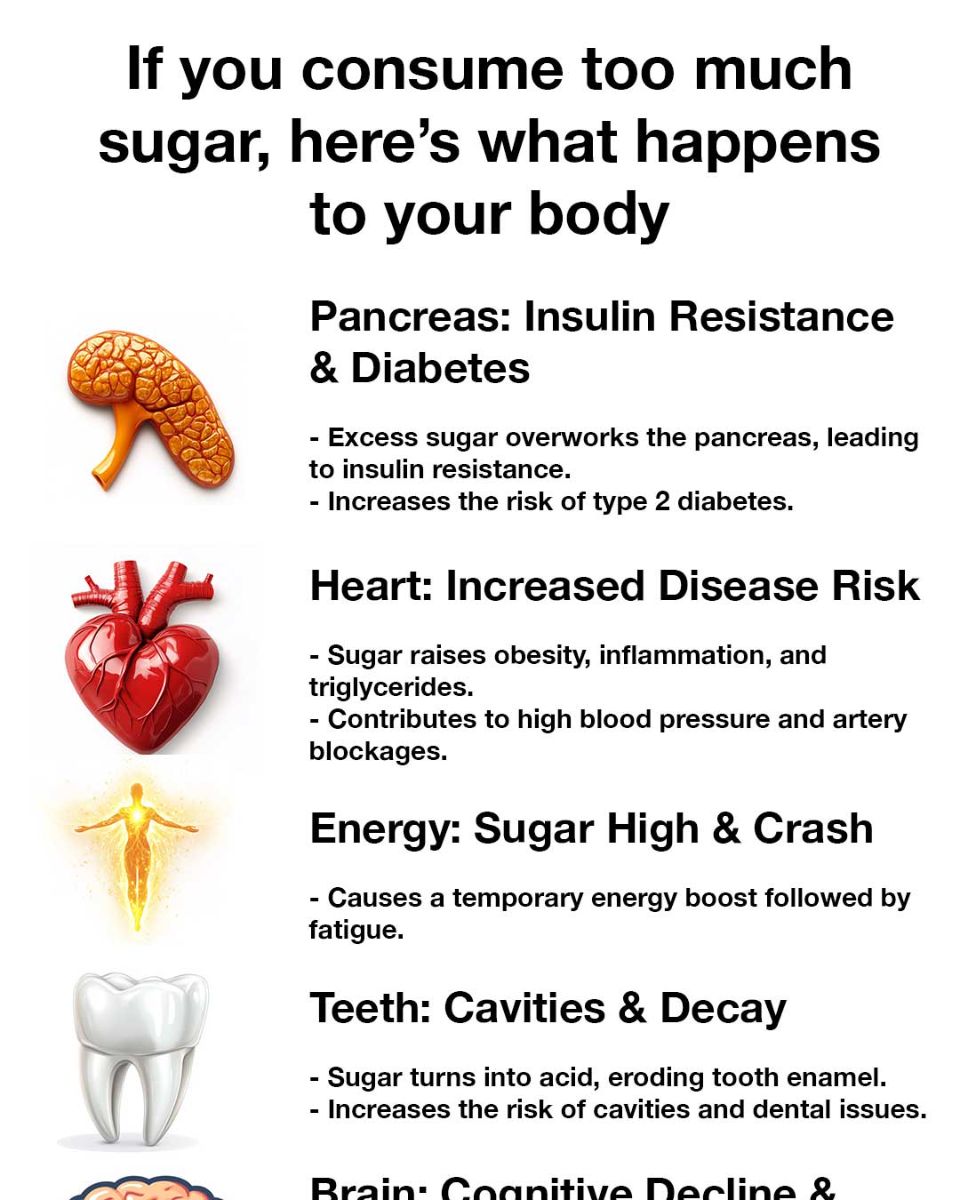
In today’s fast-paced world, sugar is omnipresent in our diets, often hidden in processed foods and beverages. While it provides a quick source of energy, excessive consumption can lead to a myriad of health issues. Understanding the impact of sugar on the body is crucial for making informed dietary choices.
Sugar, particularly in its refined form, can cause significant harm when consumed in large amounts. It affects nearly every organ system, leading to both immediate and long-term health consequences. From metabolic disturbances to chronic diseases, the effects of sugar are far-reaching and often underestimated.
1. Pancreas: Overworking and Insulin Resistance
The pancreas plays a vital role in regulating blood sugar levels by producing insulin. When you consume too much sugar, the pancreas is forced to work overtime to produce enough insulin to manage the blood glucose levels. Over time, this can lead to insulin resistance, where the body’s cells become less responsive to insulin, causing the pancreas to produce even more. This cycle can eventually lead to type 2 diabetes, a condition characterized by high blood sugar levels and associated complications.
2. Heart: Increased Risk of Cardiovascular Diseases
Excessive sugar intake is linked to an increased risk of cardiovascular diseases. High sugar consumption can lead to obesity, inflammation, and high triglyceride levels, all of which are risk factors for heart disease. Additionally, sugar can increase blood pressure and promote the buildup of fatty deposits in the arteries, leading to atherosclerosis. This condition can result in heart attacks and strokes, making it crucial to monitor sugar intake for heart health.
3. Energy Levels: The Sugar High and Crash Cycle
Consuming sugar can lead to a rapid spike in blood glucose levels, providing a temporary energy boost, often referred to as a ‘sugar high.’ However, this is usually followed by a sharp drop in blood sugar, leading to a ‘crash’ characterized by fatigue, irritability, and cravings for more sugar. This cycle can disrupt energy levels and lead to a dependence on sugar for quick energy, impacting overall productivity and mood.
4. Stomach: Digestive Issues and Imbalance
High sugar intake can disrupt the balance of gut bacteria, leading to digestive issues such as bloating, gas, and diarrhea. Sugar can feed harmful bacteria and yeast in the gut, promoting their growth over beneficial bacteria. This imbalance, known as dysbiosis, can impair digestion and nutrient absorption, contributing to gastrointestinal discomfort and long-term digestive health problems.
5. Kidneys: Strain and Risk of Kidney Disease
read more on next page