5. Kidneys: Strain and Risk of Kidney Disease
The kidneys filter waste from the blood, and excessive sugar can put a strain on these vital organs. High blood sugar levels can damage the delicate blood vessels in the kidneys, impairing their function over time. This can lead to chronic kidney disease, a condition that reduces the kidneys’ ability to filter waste effectively, potentially resulting in kidney failure if not managed properly.
6. Skin: Acne and Premature Aging
Sugar can have detrimental effects on the skin, contributing to acne and premature aging. High sugar levels can increase the production of sebum, an oily substance that can clog pores and lead to acne breakouts. Additionally, sugar can cause glycation, a process where sugar molecules bind to proteins like collagen, leading to the formation of advanced glycation end products (AGEs). AGEs can damage collagen and elastin, essential proteins for skin elasticity, resulting in wrinkles and sagging skin.
7. Teeth: Cavities and Dental Decay
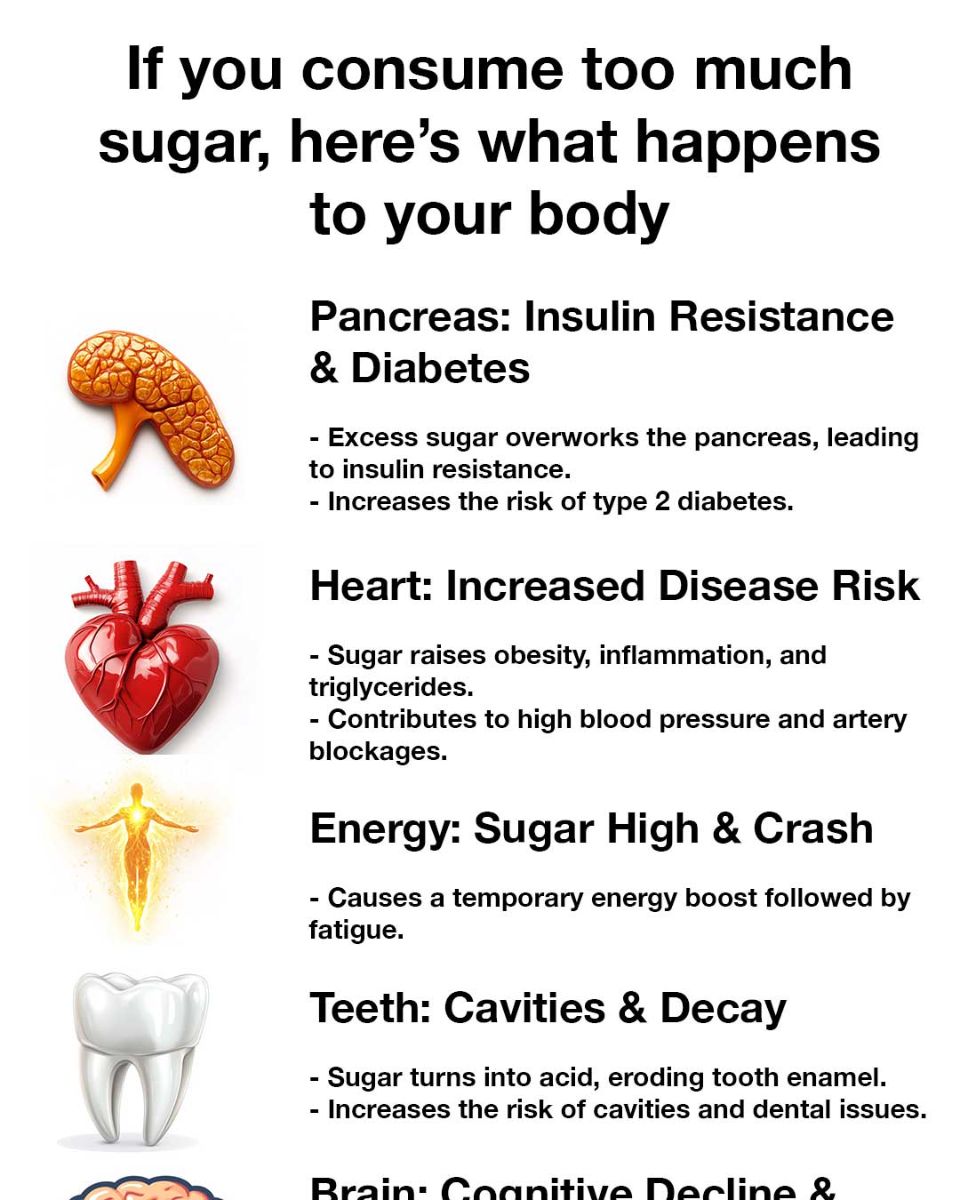
Sugar is a well-known culprit in the development of cavities and dental decay. When sugar is consumed, it interacts with bacteria in the mouth to form acid, which can erode tooth enamel. Over time, this can lead to cavities and other dental issues. Maintaining good oral hygiene and limiting sugar intake are essential steps in preventing dental decay and promoting oral health.
8. Joints: Inflammation and Pain
Excessive sugar consumption can contribute to inflammation in the body, exacerbating joint pain and conditions like arthritis. Sugar can increase the production of inflammatory cytokines, compounds that promote inflammation. This can worsen symptoms in individuals with joint issues and contribute to the development of inflammatory diseases. Reducing sugar intake can help manage inflammation and alleviate joint pain.
9. Brain: Cognitive Decline and Mood Swings
The brain is highly sensitive to changes in blood sugar levels. High sugar intake can lead to cognitive decline and mood swings. Sugar can impair memory and learning by affecting the brain’s ability to process information. Additionally, the rapid fluctuations in blood sugar levels can lead to mood swings, anxiety, and depression. Maintaining stable blood sugar levels through a balanced diet is crucial for cognitive health and emotional well-being.
10. Weight: Obesity and Metabolic Syndrome
Consuming too much sugar can lead to weight gain and obesity, as it is high in calories and can increase appetite. Sugar can also contribute to the development of metabolic syndrome, a cluster of conditions including high blood pressure, high blood sugar, excess body fat around the waist, and abnormal cholesterol levels. These conditions increase the risk of heart disease, stroke, and diabetes, making it essential to monitor sugar intake for weight management and overall health.
11. Liver: Fatty Liver Disease and Detoxification Issues
The liver plays a crucial role in metabolizing sugar, particularly fructose. Excessive sugar intake, especially from high-fructose corn syrup, can lead to the accumulation of fat in the liver, resulting in non-alcoholic fatty liver disease (NAFLD). This condition can impair liver function and lead to inflammation and scarring. Additionally, a fatty liver can hinder the liver’s ability to detoxify the body, impacting overall health.
Conclusion: Strategies for Reducing Sugar Intake and Improving Health
Reducing sugar intake is vital for maintaining good health and preventing the adverse effects associated with excessive consumption. Strategies include reading food labels to identify hidden sugars, opting for whole foods over processed ones, and choosing natural sweeteners like honey or maple syrup in moderation. Incorporating more fruits, vegetables, and whole grains into your diet can help stabilize blood sugar levels and reduce cravings. Regular physical activity and staying hydrated are also essential components of a healthy lifestyle. By making conscious dietary choices and reducing sugar intake, you can improve your overall health and well-being.