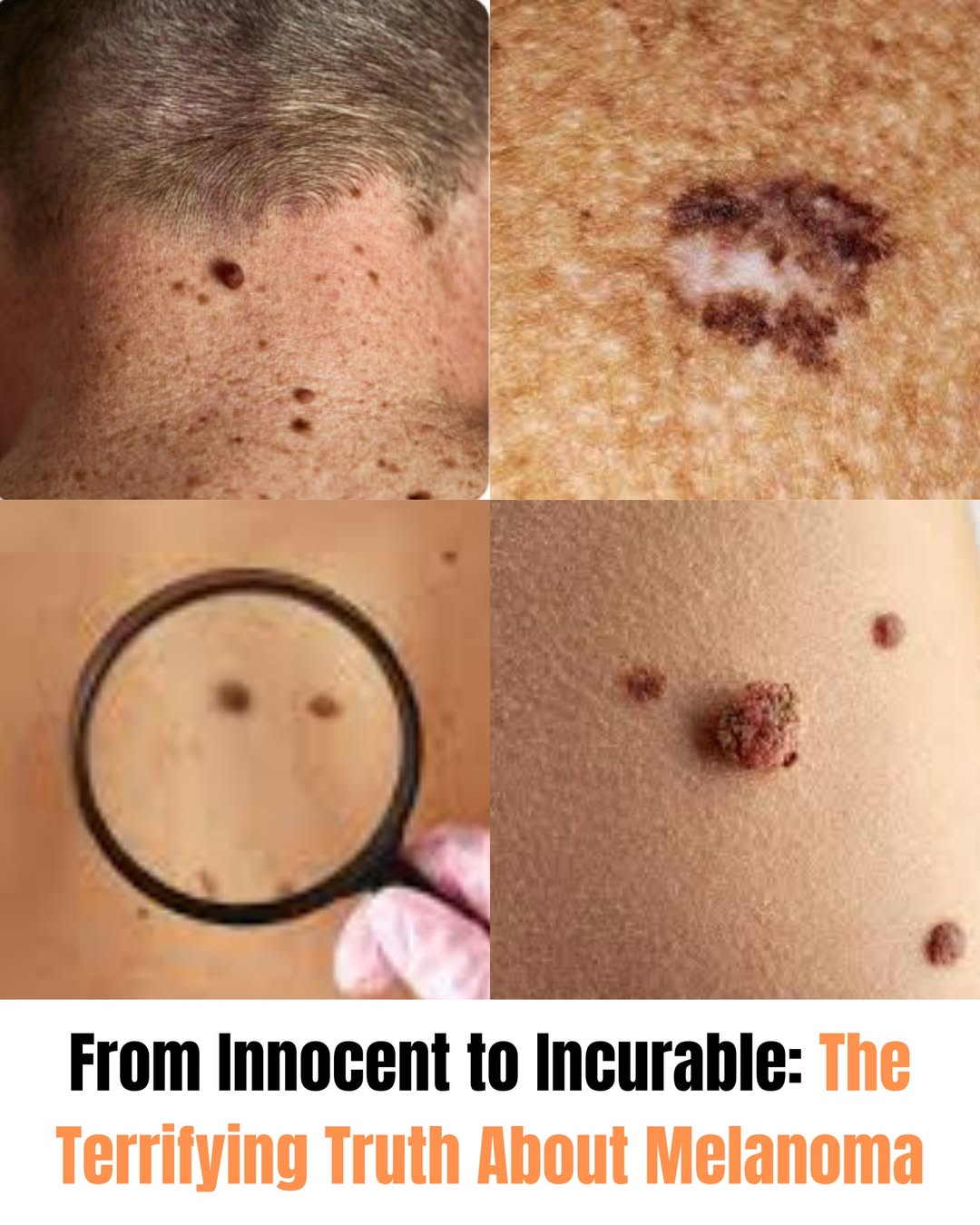
Melanoma is one of the most serious types of skin cancer. It begins in melanocytes—the cells that produce melanin, the pigment responsible for coloring your skin, hair, and eyes. Although it’s not as common as other skin cancers, melanoma tends to grow faster and spread more easily, which makes spotting it early absolutely crucial.
Spotting the Warning Signs
Melanoma can start either on normal skin or develop from an existing mole. One of the biggest red flags is a mole that changes in appearance or a brand-new spot that suddenly appears.
To help people catch melanoma early, dermatologists often use something called the ABCDE rule:
- A – Asymmetry: One half of the mole doesn’t mirror the other.
- B – Border: The edges are uneven—maybe jagged, blurry, or irregular.
- C – Color: The color varies and might include different shades like brown, black, red, pink, white, or even blue.
- D – Diameter: The spot is larger than 6 mm (about the size of a pencil eraser)—though some melanomas are smaller.
- E – Evolving: Any noticeable change in a mole—whether it’s growing, changing shape or color, or starts itching or bleeding—can be a warning sign.
Melanoma doesn’t always show up in obvious places. It can appear under fingernails or toenails, on your palms or soles, and even inside the mouth or eyes. If a mole stands out from the rest—sometimes called the “ugly duckling”—it’s time to get it checked.
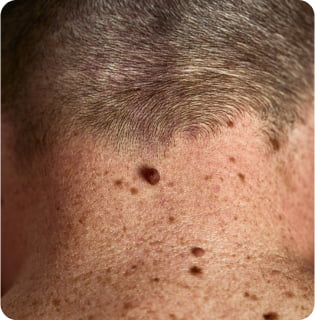
What Causes Melanoma?
Melanoma starts when mutations occur in the DNA of melanocytes, causing them to grow out of control. Several things can raise your risk:
- UV exposure: This is the biggest factor, especially from too much sun or using tanning beds.
- Fair skin: People with lighter skin, blue or green eyes, and blonde or red hair have less melanin and are more vulnerable.
- Sunburns: Severe or blistering sunburns, especially during childhood or adolescence, can increase risk.
- Family history: If close relatives have had melanoma, your risk goes up.
- Past skin cancer: If you’ve had melanoma or another skin cancer before, recurrence is more likely.
- Lots of moles or unusual moles: Particularly large or irregular ones, called dysplastic nevi, are a concern.
- Weakened immune system: Whether from a health condition or medication (like after an organ transplant), a weaker immune system raises the risk.
- Genetics: Inherited gene mutations—especially in genes like CDKN2A or BRAF—can play a role.