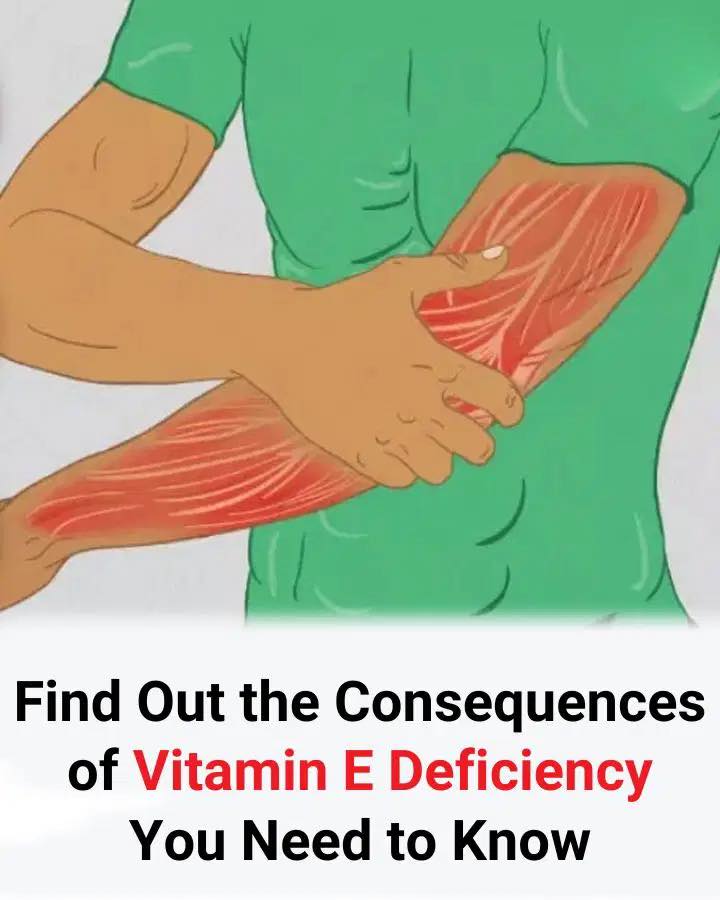
Vitamin E is a vital nutrient that supports overall health and proper body function. It acts as a shield for cells, protecting them from damage caused by free radicals. As a result, it plays a crucial role in strengthening the body while enhancing the appearance of skin and hair, keeping them healthy and well-nourished.
While vitamin E deficiency is uncommon, it can lead to significant health issues, particularly in individuals with conditions that impair fat absorption or certain genetic disorders. These deficiencies can have a serious impact on overall well-being.
Signs of Vitamin E Deficiency
1. Muscle Weakness and Loss of Coordination
If your muscles feel weaker than usual or your movements seem less controlled, vitamin E might be the missing link. This essential nutrient helps maintain muscle strength and coordination.
When levels are low, even simple tasks like holding objects or walking can become challenging. In severe cases, prolonged standing may become difficult.
2. Vision Impairment
Vitamin E is essential for eye health, as it protects the retina and prevents damage to eye cells. A deficiency can cause blurred vision, difficulty seeing in low light, and increased sensitivity to brightness.
Over time, this may lead to serious conditions like macular degeneration.

3. Neurological Issues
The central nervous system relies on vitamin E to keep neurons functioning properly. When levels drop, symptoms such as numbness, tingling in the hands and feet, and sluggish reflexes can occur.
Cognitive functions may also be affected, leading to memory issues and difficulty learning.
4. Weakened Immune System
If you’re experiencing frequent colds or prolonged infections, a vitamin E deficiency could be a contributing factor.
This nutrient plays a key role in strengthening the immune system. Without it, the body struggles to fight off illnesses, resulting in longer recovery times.