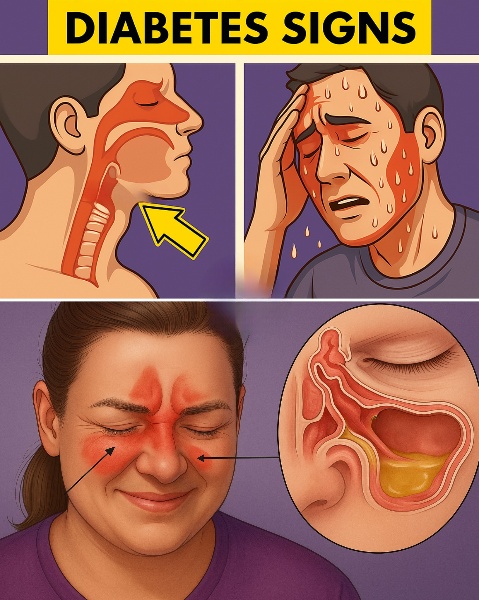
What if you had a disease and didn’t even know it? That’s the scary reality for millions of people living with undiagnosed diabetes. Often called a “silent killer,” diabetes can creep up without dramatic warning signs, quietly damaging your body for years before it’s detected.
Let’s break it down and uncover the essential facts, symptoms, and prevention tips so you can stay ahead of this widespread and dangerous condition.
What Exactly Is Diabetes?
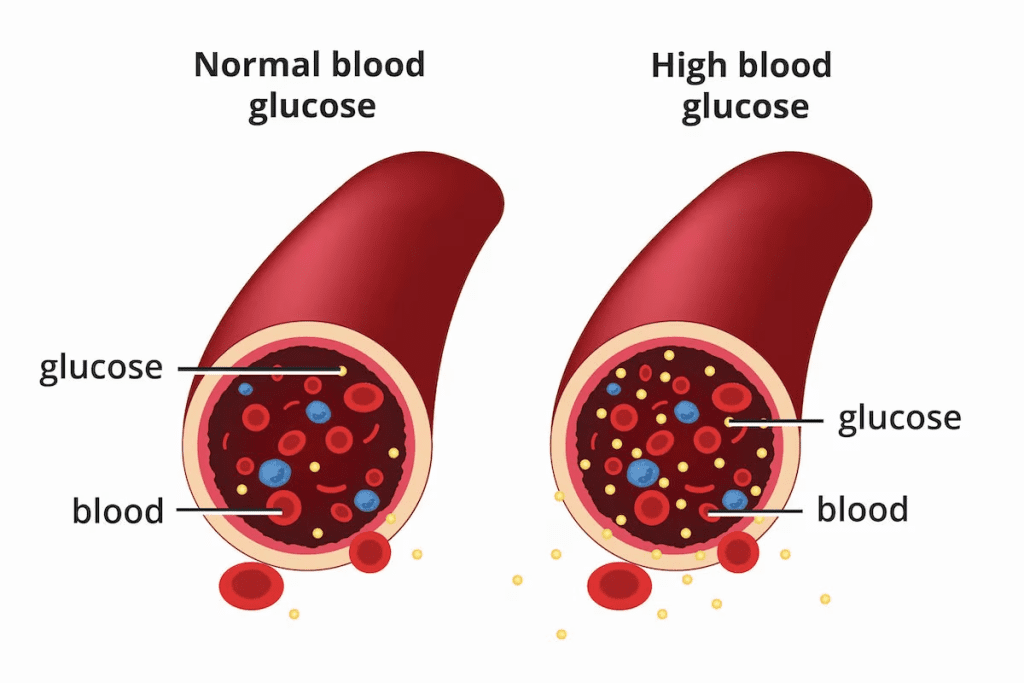
Diabetes is more than just high blood sugar. It’s a chronic medical condition that affects how your body processes glucose, the primary fuel for your cells. When this system breaks down, sugar builds up in your blood instead of being used for energy.
There are two main types:
- Type 1 Diabetes – This is an autoimmune condition where the body attacks its insulin-producing cells. It usually develops early in life.
- Type 2 Diabetes – This is far more common and develops gradually, often due to poor lifestyle habits. The body either resists insulin or doesn’t make enough of it.
Both types lead to dangerously high blood sugar levels if left untreated.
Why You Might Not Know You Have Diabetes
Unlike many illnesses that hit fast and hard, diabetes can develop slowly. That’s what makes it so deceptive. Some people go months or even years without realizing anything is wrong. The early signs are often mild or mistaken for stress, aging, or simply “having an off day.”
The truth is, you can absolutely have diabetes and not know it. But your body will start sending subtle signals—if you know what to watch for.
Key Symptoms of Undiagnosed Diabetes
Pay close attention to these warning signs. They may seem minor on their own, but together they could point to something serious:
Video : Diabetes symptoms
1. Frequent Urination and Increased Thirst
When your blood sugar is high, your kidneys work overtime to flush it out—causing you to urinate more often. This in turn makes you thirstier than usual.
2. Unexplained Fatigue
Feeling drained even after a good night’s sleep? Elevated blood sugar prevents your cells from getting the energy they need, leaving you constantly tired.
3. Blurred Vision
High sugar levels can distort the shape of your eye lenses, making your vision blurry. If it clears up and returns again, don’t ignore it.
4. Sudden Weight Loss (Especially in Type 1)
When your body can’t use sugar for fuel, it starts breaking down fat and muscle instead. Unintended weight loss is a big red flag.
5. Slow Healing Wounds or Frequent Infections
High blood sugar can impair circulation and immune function, making it harder for your body to fight off infections and heal wounds.
6. Tingling or Numbness in Hands and Feet
This can be an early sign of nerve damage—a common complication of long-term diabetes.