Orchid Care: How to Achieve Beautiful Blooms and Keep Your Plant Healthy
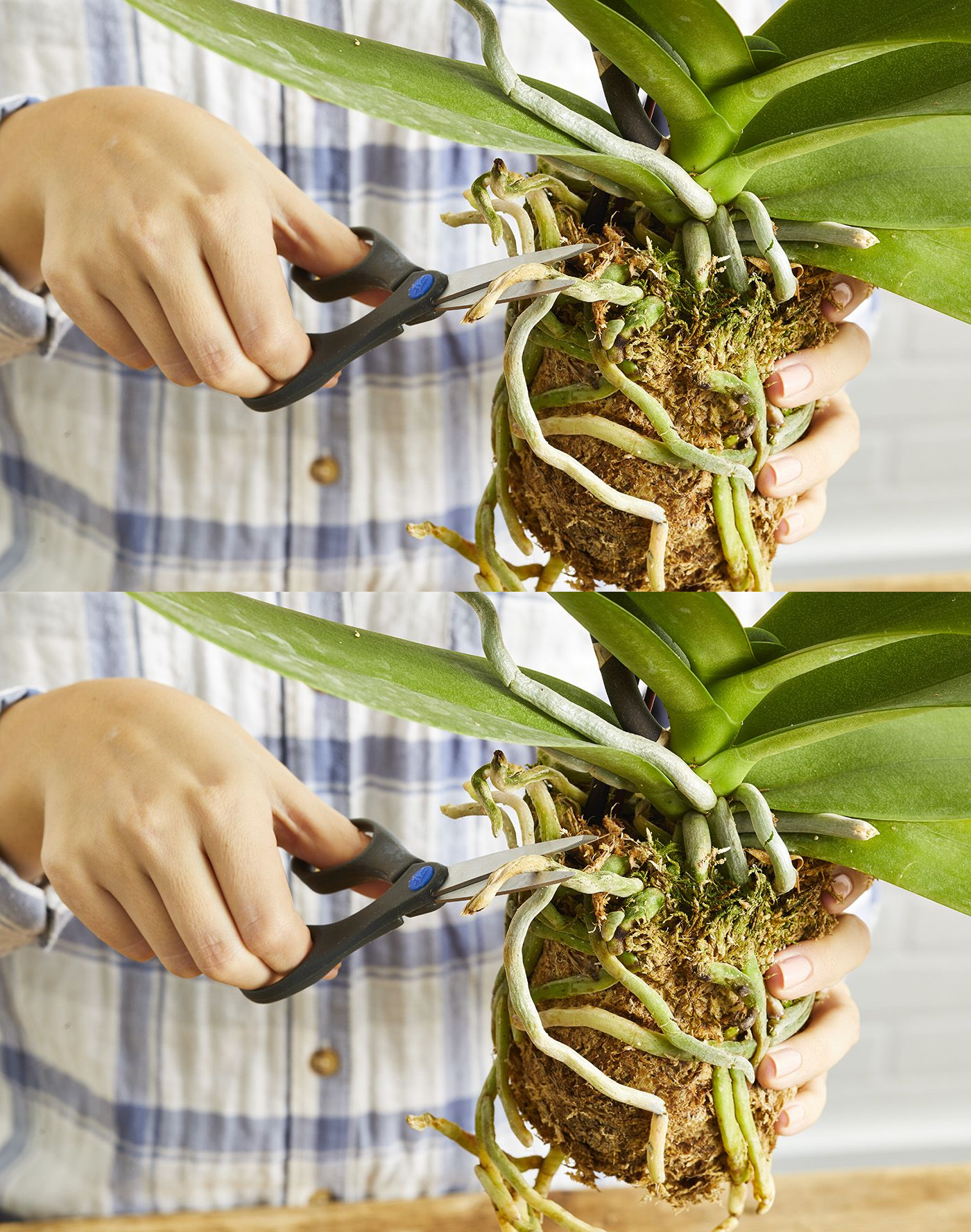
6. Prune and Repot as Needed
Regular maintenance will help your orchid thrive:
- Pruning: After the blooms fade, trim the flower spike back to a node if it’s a phalaenopsis orchid. This can encourage new growth and blooms.
- Repotting: Repot your orchid every 1-2 years or when you notice it becoming root-bound. Use fresh potting medium to provide the best growing environment.
7. Monitor for Pests and Diseases
Keeping an eye on your orchid for pests is essential for maintaining its health:
- Common Pests: Watch for aphids, mealybugs, and spider mites. If you spot any, treat your orchid with insecticidal soap or neem oil.
- Signs of Disease: Yellowing leaves, wilting, or unusual spots can indicate a problem. Address issues promptly to prevent further damage.
8. Enjoy the Bloom Cycle
Orchids have a natural blooming cycle, so be patient!
- Bloom Duration: Depending on the variety, orchids can bloom for several weeks to months.
- Post-Bloom Care: After blooming, continue to care for your orchid, as it may rest before producing new flowers.
Conclusion
With the right care and attention, your orchids can produce stunning blooms and thrive for years to come. By following these tips—choosing the right potting medium, watering wisely, providing proper light, maintaining ideal temperatures, fertilizing regularly, pruning and repotting as needed, monitoring for pests, and enjoying the bloom cycle—you’ll be well on your way to becoming an orchid expert! Happy growing, and may your orchids flourish beautifully! 🌺✨