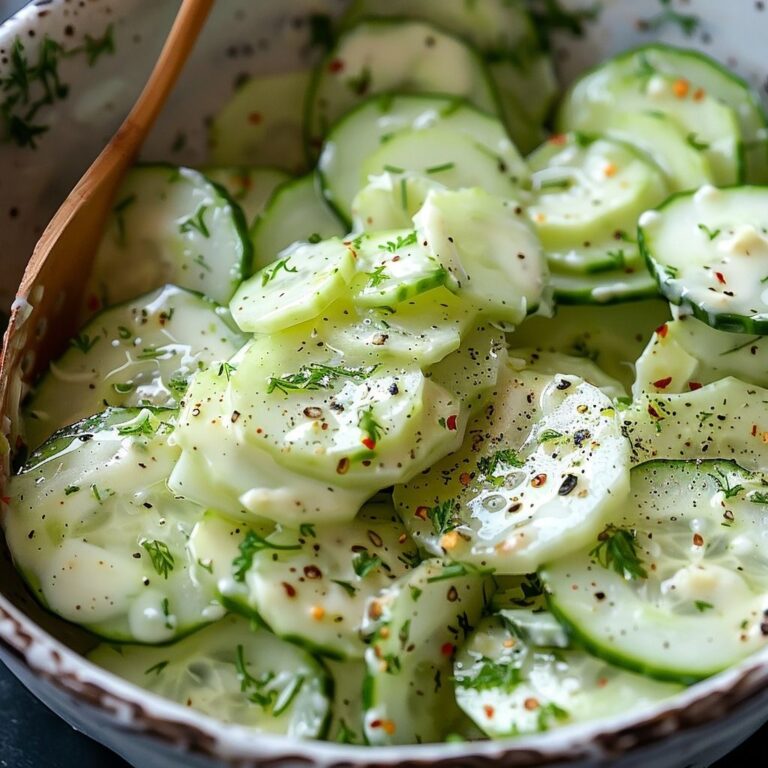
ermany, known for its rich cultural heritage and diverse landscapes, boasts a cuisine that reflects its history, geography, and seasonal availability of ingredients. From hearty sausages and robust beers to delicate pastries and savory stews, German cuisine offers a wide array of flavors that have evolved over centuries. In this exploration, we delve into the essence of German gastronomy, highlighting key dishes, ingredients, and cultural influences that shape its culinary identity.
Historical Roots and Influences
German cuisine is deeply rooted in its agricultural traditions, influenced by various civilizations that have shaped its history. The culinary heritage of modern-day Germany can be traced back to ancient times when tribes like the Celts and Germanic tribes cultivated grains, raised livestock, and utilized local herbs and spices in their cooking. Over the centuries, German cuisine has been influenced by neighboring regions, including France, Austria, Poland, and the Czech Republic, resulting in a diverse culinary tapestry.
Key Ingredients in German Cuisine
1. Meats:
Pork: Considered the most popular meat in Germany, pork is used in various forms, from sausages (Wurst) like Bratwurst and Weisswurst to pork chops and roasts.
Beef and Game: Beef dishes such as Rinderbraten (pot roast) and venison dishes are also prominent, especially in regions with hunting traditions.
Poultry: Chicken and duck are commonly used, often prepared roasted or in stews.
2. Potatoes:
Potatoes hold a central place in German cuisine, introduced in the 17th century and quickly adopted due to their adaptability to various soils and climates. Popular potato dishes include Kartoffelsalat (potato salad), Kartoffelsuppe (potato soup), and Kartoffelpuffer (potato pancakes).
3. Grains:
Wheat and Rye: Bread is a staple in German cuisine, with varieties like Roggenbrot (rye bread), Vollkornbrot (whole grain bread), and Brezeln (pretzels) being widely enjoyed.
Spätzle: These egg noodles are a favorite side dish in southern Germany, typically served with meats and gravies.
4. Dairy:
Cheese: Germany produces a wide range of cheeses, including soft varieties like Camembert and Brie, as well as harder cheeses like Emmental and Allgäuer Bergkäse.
Butter and Cream: Used in many traditional recipes to add richness and flavor, such as in sauces and desserts.
5. Vegetables:
Cabbage: Varieties like Sauerkraut (fermented cabbage) and Rotkohl (red cabbage) are popular side dishes.
Root Vegetables: Carrots, turnips, and beets are used in soups, stews, and as accompaniments to main dishes.
see next page
For Complete Cooking STEPS Please Head On Over To Next Page Or Open button (>) and don’t forget to SHARE with your Facebook friends